

Uncategorized
Solar O&M Contracts: How to Compare Scope and Responsibilities
A solar O&M proposal can look comprehensive while leaving important work unassigned. “Monitoring included” may not say who investigates an alarm. “Repairs included” may still exclude replacement equipment, lifting arrangements or a specialist visit. The useful comparison is therefore not the length of the activity list, but who is responsible for each task and what evidence closes it.
For an industrial owner, start with the plant you actually have: its equipment register, operating history, access constraints and existing warranties. Then ask each bidder to respond to the same responsibility schedule. This makes omissions easier to spot before a service agreement is signed.
Separate the service into clear work packages
Use preventive work, corrective work, monitoring and administrative support as separate headings. For each, request the activity, its trigger or agreed frequency, the responsible party, required access and deliverable. A site-specific plan is more useful than a generic annual calendar. IEA PVPS guidance on O&M in different climates explains why maintenance planning needs to reflect the plant’s environment.
| Work package | Question to resolve | Evidence to request |
|---|---|---|
| Routine inspection | Which assets and observations are covered? | Asset-level inspection record and open findings |
| Fault response | Who acknowledges, diagnoses and attends? | Ticket timeline and escalation record |
| Repairs and replacements | What labour, parts and approvals are included? | Authorised work order and repair report |
| Cleaning and site upkeep | Who provides access, water and suitable equipment? | Completed-work log and exception record |
| Reporting | Who reviews the report and follows up actions? | Agreed reporting format and action register |
Do not confuse response time with resolution time
Acknowledging an alarm, beginning diagnosis, reaching the site and restoring an asset are different milestones. Ask the bidder to define the clock for each commitment, the working hours that apply and the information needed to start work. Identify who authorises an emergency visit outside the normal schedule.
The IEA PVPS technical-risk report discusses the importance of detection and maintenance-response measures. For your contract comparison, turn those concepts into a simple question: “Which timestamp will prove this commitment was met?” Do not assume a quick acknowledgement guarantees immediate restoration.
Make exclusions visible before comparing prices
Ask for a separate exclusions schedule rather than searching for exceptions across several documents. Check major-component replacements, consumables, specialist tests, transport, lifting access, third-party fees and work following extraordinary events. These are comparison prompts, not a statement that any particular item must be excluded.
Next, allocate the interface between the plant owner, O&M provider, equipment manufacturer and electricity network. For example, if a manufacturer needs logs before reviewing a warranty claim, who gathers them and who follows the claim through? Name the owner of the task even when several parties contribute.
Agree how performance will be discussed
A maintenance agreement should not leave “good performance” undefined. Ask which indicators will be reported, which meters and sensors supply them, how missing data is treated and which exclusions apply. Any contractual guarantee needs its own precise wording and appropriate review; an operating report or illustrative target does not create one.
Set an action-focused review agenda: unresolved faults, repeat findings, overdue preventive work, parts awaiting approval and the next period’s planned activities. Request a sample report with commercially sensitive information removed. It is a useful way to test whether the proposed reporting process supports decisions.
Prepare a one-page responsibility sheet
- List each activity against the relevant asset or system.
- Name the party that performs it and the party that approves expenditure.
- Record access, permits, shutdown coordination and information dependencies.
- Define the completion record and the person who accepts it.
- Keep unresolved assumptions in the comparison until clarified in writing.
Deon’s published operations and maintenance scope is provided under separately agreed arrangements and is not included in every EPC project. Use that scope as a starting point for a discussion, rather than assuming a standard bundle. If you are comparing a current plant’s service requirements, contact Deon with the asset details and the work you need assessed.
Related Insights
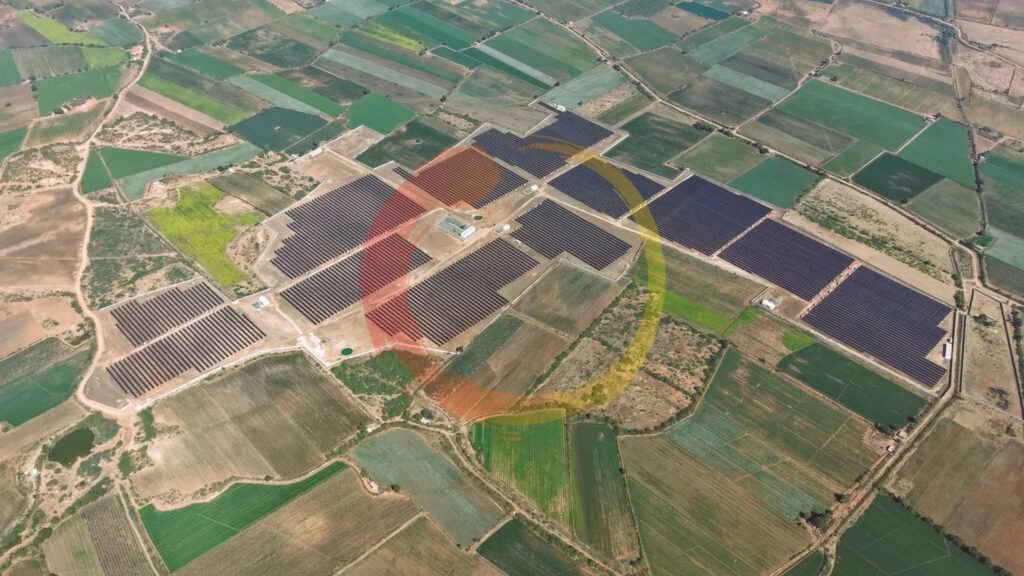
How to Compare Solar EPC Proposals for an Industrial Project
A practical comparison method for procurement and engineering teams: put competing solar EPC offers on the…
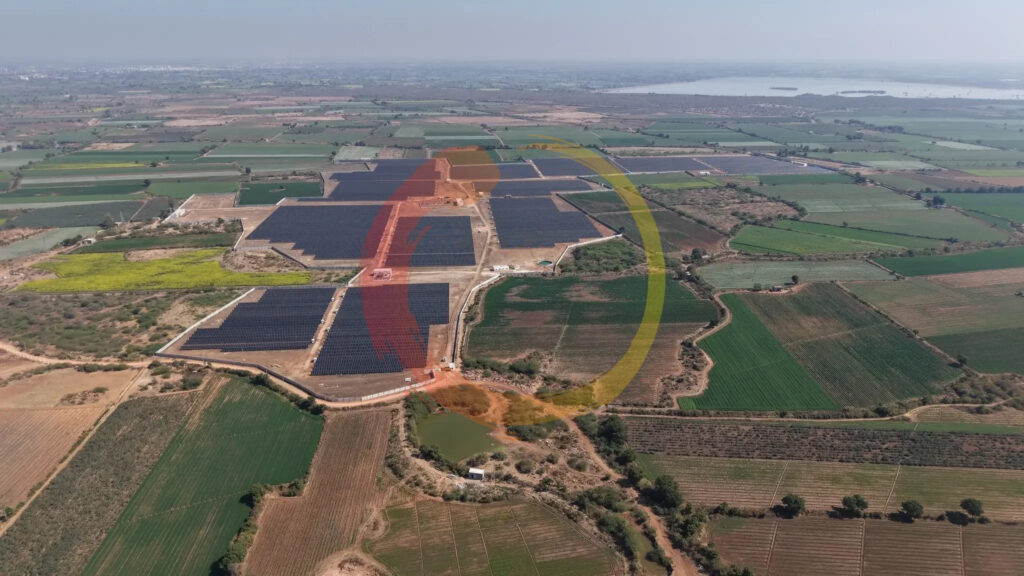
Electricity Bills and Load Profiles: What Solar Buyers Should Prepare
What to collect before a solar assessment, how to distinguish energy from demand, and how to…
Industrial Rooftop Solar: Structural and Site Checks Before Design
A pre-survey worksheet for factory owners: collect the right building records and identify questions that need…