

Uncategorized
Ground-Mounted Solar Land Assessment: A Buyer Checklist
A large land parcel is only the beginning of a ground-mounted solar discussion. The usable project area, access arrangements, ground conditions and possible electricity connection all need investigation. A site that looks straightforward on a map can still have important unresolved constraints.
For a buyer, the early objective is to identify what is known, what needs specialist review and which decisions depend on third parties. A single evidence register can keep land, engineering and commercial teams working from the same information.
Start with a traceable site identity
Prepare the location, available parcel identifiers, ownership or lease records and a boundary plan. Identify who can authorise access and answer questions about the land. If several parcels are involved, avoid presenting them as one unrestricted area before the relevant rights and boundaries have been verified.
Record neighbouring uses, known restrictions and planned changes. These notes help frame the investigation; they do not replace title review, permissions or an engineering survey. Keep each document’s date and source so the team can recognise an outdated plan.
Use a land-assessment evidence register
| Topic | Prepare before assessment | Evidence or decision to request |
|---|---|---|
| Boundaries and rights | Parcel map and available ownership or lease documents | Verified site extent and unresolved rights |
| Topography | Existing levels or survey records, if available | Survey scope and implications for layout |
| Ground conditions | Known site history and previous investigations | Required geotechnical investigation and design inputs |
| Water and drainage | Local observations and available flood records | Site-specific drainage assessment |
| Access | Approach roads and known movement restrictions | Construction and long-term access arrangements |
| Electrical connection | Available nearby infrastructure information | Confirmed process for assessing connectivity |
Separate gross land area from a workable layout
Ask the design team to show which areas are available for arrays and which are reserved or excluded. Roads, drainage, equipment, boundaries and operating access must be considered in the actual layout. Do not use a generic acreage-per-megawatt figure as proof that a particular capacity fits.
Request a marked drawing with a revision date. When the layout changes, keep a note of the reason: a survey finding, a revised boundary or a different equipment arrangement. This creates an understandable decision history rather than a collection of conflicting drawings.
Commission investigations before locking assumptions
Ask qualified advisers what survey and ground information the design requires. Identify who will obtain it, who will interpret it and what decisions must wait. If a preliminary offer assumes particular ground conditions, make that assumption visible in the comparison and subsequent contract discussion.
Site history is also worth collecting. Previous filling, excavation or waterlogging may prompt further questions. The buyer’s role is to provide reliable context, not to choose a foundation type from an informal checklist.
Treat grid questions as a separate evidence stream
A nearby electrical line does not confirm that a proposed project can connect there. Ask which party will establish the connection requirements, what studies or applications are needed and how any infrastructure responsibilities will be allocated.
Keep the intended electricity-use arrangement clear in the brief. The relevant assessment may differ according to the project and location. Do not treat a successful neighbouring project as evidence that the same approvals or commercial terms will apply.
Plan access for construction and operation
Walk through the proposed logistics with the appropriate site professionals: delivery route, equipment movement, work areas and future maintenance access. Record any dependence on third-party land or permissions. Assign unresolved access questions before accepting a programme built around assumed availability.
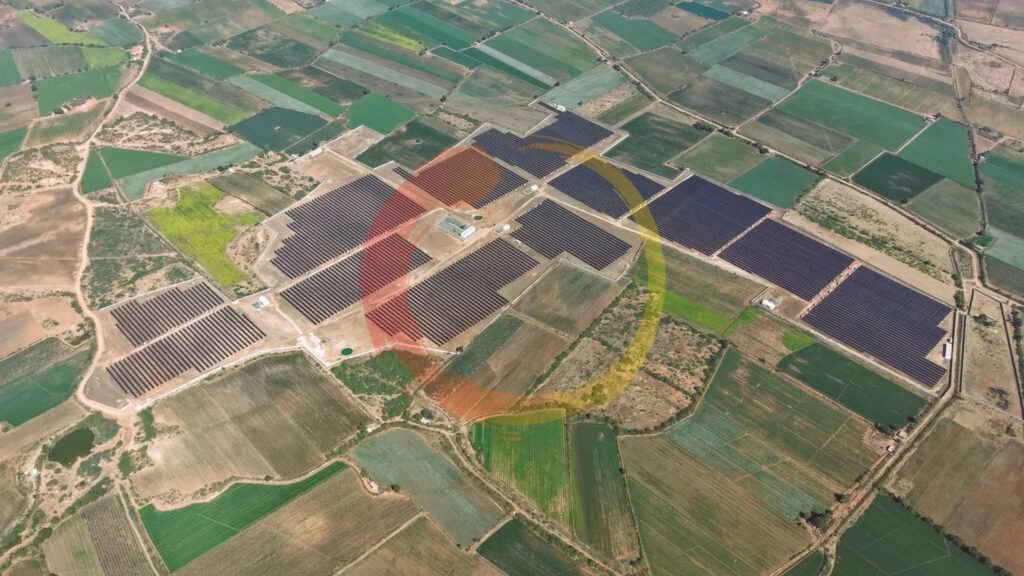
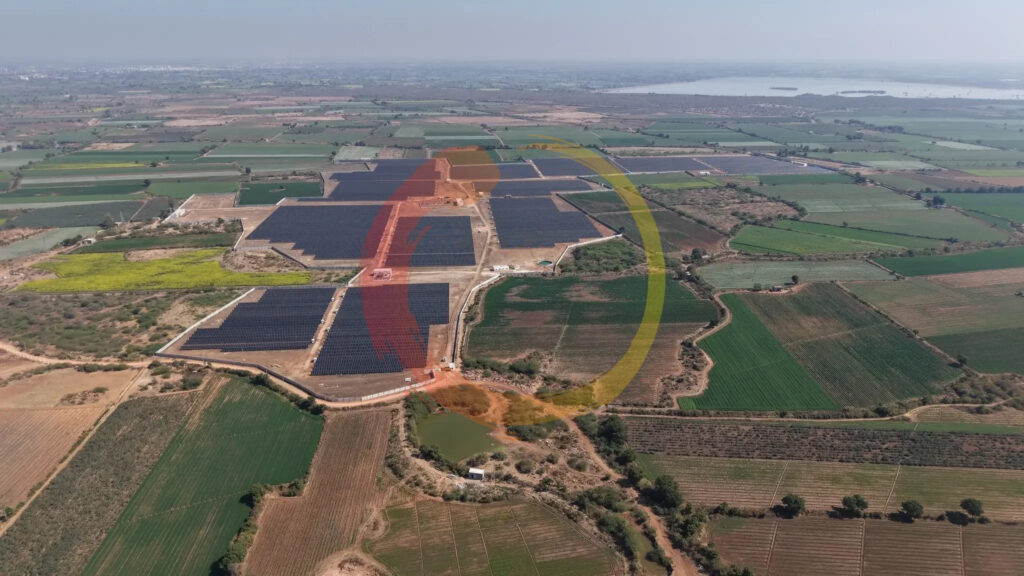
For visual context, Deon’s project portfolio includes ground-mounted installations. Use examples to ask informed questions about site type and execution scope, rather than assuming that one installation defines the requirements of your parcel.
Make the next decision explicit
End the initial assessment with a list of unresolved constraints, the evidence needed to resolve them and a named decision owner. Some findings may support further design; others may require additional investigation before proceeding. Both outcomes are useful when recorded clearly.
Review the published ground-mounted EPC scope, then discuss your site with the available records and open questions.
Technical references
The public abstract for IEC TS 62738 describes its ground-mounted PV design scope. The DOE site-screening guidance provides broader context. These references do not establish land eligibility or replace applicable Indian project requirements.
Related Insights
How to Compare Solar EPC Proposals for an Industrial Project
A practical comparison method for procurement and engineering teams: put competing solar EPC offers on the…
Electricity Bills and Load Profiles: What Solar Buyers Should Prepare
What to collect before a solar assessment, how to distinguish energy from demand, and how to…

Industrial Rooftop Solar: Structural and Site Checks Before Design
A pre-survey worksheet for factory owners: collect the right building records and identify questions that need…