

Uncategorized
How to Compare Solar EPC Proposals for an Industrial Project
Two solar EPC proposals can quote similar plant capacities and still cover different projects. One may include civil work and the agreed electrical connection; another may leave those items with the customer. Comparing only the final amount hides these differences.
For an industrial buyer, the first deliverable should be a comparison sheet that engineering, procurement and operations can use together. Its purpose is to make assumptions visible, assign responsibility and identify questions before a purchase decision.
Start with one project brief
Give each bidder the same available information: facility location, electricity records, roof or land details, operating hours, planned expansion and intended use of the solar power. Mark unverified information clearly. If a site survey changes the brief, circulate the revision to every shortlisted bidder.
Ask each team to identify which inputs it has verified and which remain assumptions. A proposal prepared from photographs should not be treated as having the same design maturity as an offer supported by a completed site assessment.
Build a scope comparison, not just a price list
| Comparison item | What to record for every offer | Question to resolve |
|---|---|---|
| Capacity | Proposed DC module capacity and AC inverter capacity, with units | Are all bidders quoting the same capacity basis? |
| Equipment | Proposed makes, models and specification revisions | Which substitutions require customer approval? |
| Site work | Included structural, foundation, drainage and access work | What depends on further surveys? |
| Electrical boundary | Connection point, cable route and associated equipment | Where does the EPC contractor’s responsibility end? |
| Approvals | Applications, documents, fees and responsible parties | What must the customer or utility provide? |
| Completion | Tests, acceptance records and handover deliverables | What evidence closes each milestone? |
| Maintenance | Included period and separately priced services | Is O&M actually included? |
Use the words “included”, “excluded” or “awaiting clarification” in each cell. A blank cell is not an inclusion. Ask bidders to confirm the completed matrix so that your comparison does not depend on an internal interpretation of marketing language.
Separate predictions from commitments
If an offer contains an energy estimate, request the assessment period, weather-data basis, layout and stated losses. Record whether it describes expected generation or a contractual obligation. Neither should be silently substituted for the other.
A financial illustration also needs its own assumptions. Ask which electricity charges are considered, how self-consumption is treated and what happens when production or factory demand changes. Have the relevant technical and commercial advisers review the applicable terms rather than treating the largest projected saving as the winning bid.
Make exclusions and dependencies easy to find
Create a separate clarification register with four columns: issue, bidder response, decision owner and closure date. Typical discussion points include roof repairs, utility infrastructure, construction access, planned shutdowns and customer-supplied facilities. Their relevance depends on the actual project.
Where an item remains provisional, request the method for confirming its scope and cost. “To be discussed later” is difficult to compare. A named survey, responsible party and decision point gives both sides a workable next step.
Evaluate the delivery approach
Ask who will coordinate engineering, procurement, site execution and customer communication. Discuss how proposed work fits around factory operations. Record dependencies before accepting a programme: access permission, design information, shutdown availability and third-party approvals may affect sequencing.
Relevant project experience can help frame these questions. When reviewing a solar project portfolio, look for comparable project type and site context, then ask for the bidder’s precise role. Photographs alone do not establish an identical contract scope.
Close the comparison before negotiating
Bring engineering, procurement and the future operator together for a final review. Resolve material scope gaps, keep an agreed revision of the proposal and document why the chosen offer suits the brief. A lower initial figure may still be suitable, but the decision should acknowledge what the buyer must supply separately.
Deon’s EPC scope provides a starting point for a project conversation. When you discuss a proposal, share your comparison brief and unresolved questions rather than requesting a capacity-based price alone.
Further reading
The US Department of Energy’s solar RFP template and PV procurement guidance offer general process references. Their US procurement provisions are not Indian requirements; the applicable project terms and local requirements must be established separately.
Related Insights
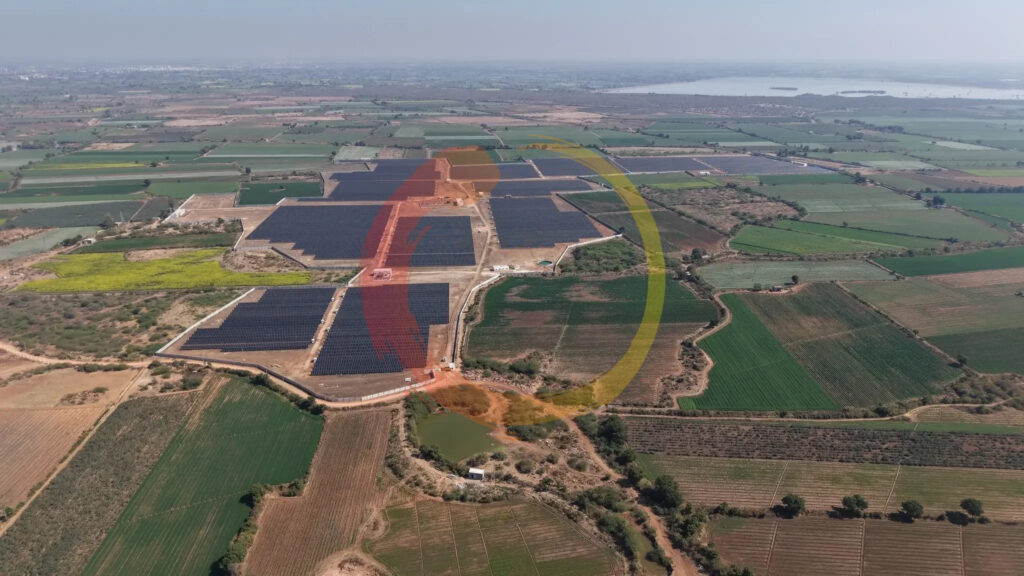
Electricity Bills and Load Profiles: What Solar Buyers Should Prepare
What to collect before a solar assessment, how to distinguish energy from demand, and how to…

Industrial Rooftop Solar: Structural and Site Checks Before Design
A pre-survey worksheet for factory owners: collect the right building records and identify questions that need…
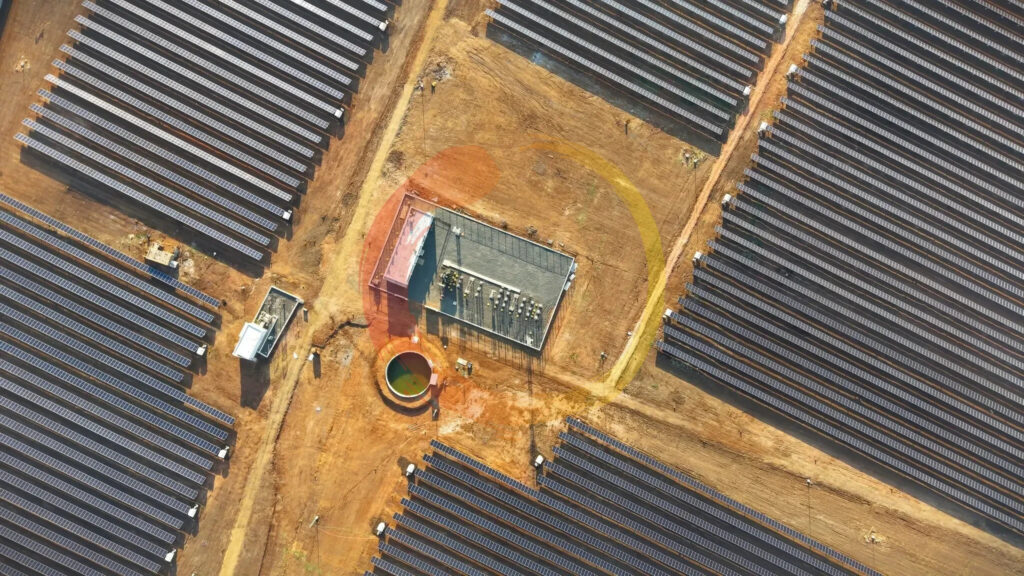
Ground-Mounted Solar Land Assessment: A Buyer Checklist
A practical way to organise land, engineering and grid questions before committing to a ground-mounted solar…